
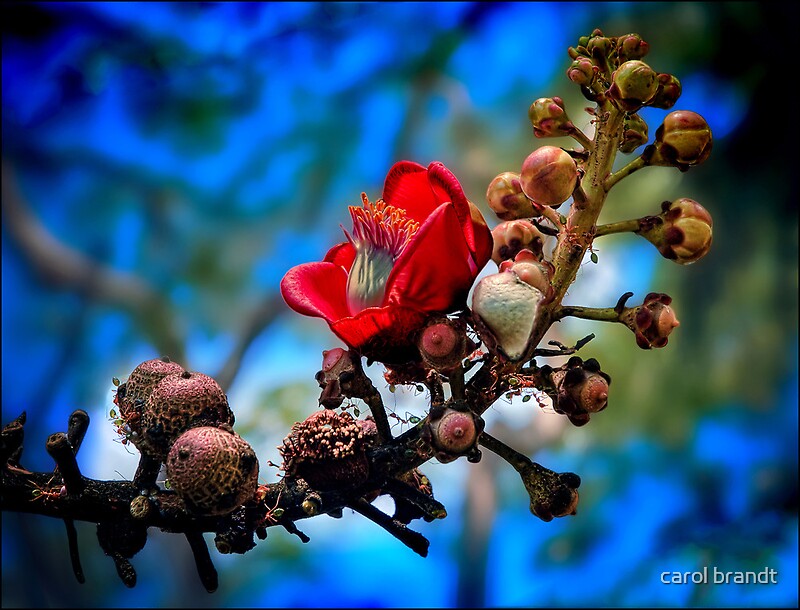
सेमल, रेड सिल्क-कॉटन ट्री, "बोम्बैक्स सेइबा
पेड़ का नाम:- सेमल, रेड सिल्क-कॉटन ट्री, वैज्ञानिक नाम "बोम्बैक्स सेइबा
इतिहास और मूल:
रेड सिल्क-कॉटन ट्री भारतीय उपमहाद्वीप, दक्षिणपूर्व एशिया, और चीन के कुछ हिस्सों की मूल निवासी है। इन क्षेत्रों में इसका सांस्कृतिक और पारंपरिक महत्व है। यह पेड़ अपने बड़े, दिखावटी लाल फूलों और उनके बीजों को घेरने वाले कपास जैसे रेशे के लिए जाना जाता है, जो विभिन्न उद्देश्यों के लिए प्रयुक्त होते हैं।
रेड सिल्क-कॉटन ट्री के बारे में तथ्य:
रेड सिल्क-कॉटन के पेड़ कई देशों में पाए जाते हैं, जैसे कि भारत, बांग्लादेश, म्यांमार, थाईलैंड, कम्बोडिया, वियतनाम, मलेशिया, इंडोनेशिया, और दक्षिणी चीन के कुछ हिस्सों में।
रूपरंग: रेड सिल्क-कॉटन पेड़ बड़े, पातले, लाल डंडे और बड़े, चमकदार लाल फूलों के साथ होते हैं, जो बसंत ऋतु में खिलते हैं। यह पेड़ 60-80 फीट (18-24 मीटर) तक की ऊंचाइयों तक पहुँच सकता है।
रेशा और कपास: इस पेड़ के बीजों को घेरने वाले देखने जाने वाले पैमाने के कपास की तरह एक रेशा जैसा पदार्थ होता है, जिसे कुछ क्षेत्रों में तकियों, तकियों, और गद्दों के बनाने के लिए उपयोग किया जाता है। इस रेशे का उपयोग तकियों को भरने और अन्य पारंपरिक उपयोगों के लिए भी किया जाता है।
धार्मिक महत्व: भारत में, रेड सिल्क-कॉटन पेड़ को पवित्र माना जाता है और यह अक्सर हिन्दू देवताओं से जुड़ा होता है। कई स्थलों पर यह पेड़ मंदिरों के पास पाया जाता है और धार्मिक अनुष्ठानों में उपयोग होता है।
रेड सिल्क-कॉटन ट्री के चिकित्सा लाभ:
ज्यूंतुक गुण: रेड सिल्क-कॉटन ट्री की छाल और पत्तियों में ज्यूंतुकी असारी गुण होते हैं और इन्हें सूजन को कम करने और पीड़ा को बाधित करने के लिए प्रादिकृत चिकित्सा में उपयोग किया जाता है।
दर्दनिवारण प्रभाव: कुछ पारंपरिक चिकित्सा प्रणालियाँ पेड़ के विभिन्न भागों का उपयोग दर्द और असहमति को कम करने के लिए करती हैं।
अन्य उपयोग: पेड़ के विभिन्न भागों का पारंपरिक चिकित्सा में खांसी, त्वचा समस्याओं, और पाचन संबंधी समस्याओं को समाधान करने के लिए प्रयुक्त किया जाता है।
कृपया ध्यान दें:
आपको किसी भी विशिष्ट स्वास्थ्य स्थिति के लिए इसका उपयोग करने से पहले स्वास्थ्य देखभाल पेशेवर से परामर्श करना चाहिए।
हमने यह सुनिश्चित करने के लिए हर संभव प्रयास किया है कि लेख में प्रस्तुत जानकारी सटीक और विश्वसनीय हो। हमने अपनी शोध प्रक्रिया के दौरान गूगल और पुस्तकों जैसे प्रतिष्ठित स्रोतों से परिश्रमपूर्वक डेटा एकत्र किया। हालाँकि, हम समझते हैं कि हमारे सर्वोत्तम प्रयासों के बावजूद कभी-कभी त्रुटियाँ हो सकती हैं।
इसलिए लेख को पढ़ते समय आपके सामने आई किसी भी अशुद्धि या संभावित त्रुटियों के लिए लेख की समीक्षा करने में आपकी सहायता का अनुरोध करते हैं। आपकी प्रतिक्रिया हमें गुणवत्ता और सटीकता के उच्चतम मानकों को बनाए रखने में मदद करने में अमूल्य होगी।
आपके समय और समर्थन के लिए धन्यवाद
Name of Tree : Semal, red silk-cotton tree, Bombax ceiba
History & Origin:
The red silk-cotton tree is native to the Indian subcontinent, Southeast Asia, and parts of China. It has a long history of cultural and traditional significance in these regions. The tree is known for its large, showy red flowers and the cotton-like fibers that surround its seeds, which are used for various purposes.
Facts about Red Silk-Cotton Tree:
Red silk-cotton trees are found in several countries across Asia, including India, Bangladesh, Myanmar, Thailand, Cambodia, Vietnam, Malaysia, Indonesia, and parts of southern China.
Appearance: Red silk-cotton trees are large, deciduous trees with a distinctive red trunk and large, bright red flowers that bloom during the spring season. The tree can reach heights of up to 60-80 feet (18-24 meters).
Fiber and Cotton: The tree produces a cotton-like substance surrounding its seeds, which is used for making pillows, cushions, and mattresses in some regions. This fiber is also used for stuffing pillows and for other traditional uses.
Religious Significance: In India, the red silk-cotton tree is considered sacred and is often associated with Hindu deities. It is sometimes found near temples and is used in religious rituals.
Medicinal Benefits:
Anti-inflammatory Properties: The bark and leaves of the red silk-cotton tree have been traditionally used to treat inflammatory conditions and are believed to have anti-inflammatory properties.
Analgesic (Pain-Relieving) Effects: Some traditional medicinal systems use parts of the tree to alleviate pain and discomfort.
Other Uses: The tree's various parts have been used in traditional medicine to address issues like coughs, skin conditions, and gastrointestinal problems.
Please attention:
You should consult a health care professional before using it for any specific health condition.
We have made every effort to ensure that the information presented in the article is accurate and reliable. We diligently collected data from reputable sources like Google and books during our research process. However, we understand that despite our best efforts, errors may occasionally occur.
Therefore, we request your assistance in reviewing the article for any inaccuracies or possible errors you encountered while reading the article. Your feedback will be invaluable in helping us maintain the highest standards of quality and accuracy.
Thank you for your time and support.