
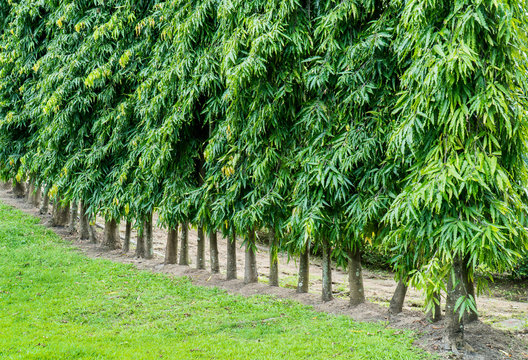
Ashoka, Saraca asoca
वृक्ष का नाम: अशोक, सरका असोका
इतिहास और उत्पत्ति:
अशोक वृक्ष भारतीय संस्कृति और पौराणिक कथाओं में बहुत महत्वपूर्ण है। इसे अक्सर भगवान बुद्ध से जोड़ा जाता है और कहा जाता है कि इसी वृक्ष के नीचे माया रानी ने उनका जन्म दिया था। यह वृक्ष विभिन्न प्राचीन भारतीय ग्रंथों में भी उल्लिखित है, जैसे कि रामायण और महाभारत।
अशोक वृक्ष के रोचक तथ्य:
अशोक वृक्ष भारतीय उपमहाद्वीप का मूल वृक्ष है और मुख्य रूप से भारत, नेपाल, और श्रीलंका में पाया जाता है। इसे अन्य दक्षिणपूर्व एशियाई देशों में भी बगीचों में उगाया जाता है और यह वैश्विक बॉटैनिकल उद्यानों में भी देखा जा सकता है।
दिखावट: अशोक वृक्ष की प्रमुख पहचान उसके आकर्षक हरे पत्तियों और खुशबूदार नारंगी-लाल फूलों से है।
सांस्कृतिक महत्व: भारत में, अशोक वृक्ष को प्यार और रोमांस के साथ जोड़ा जाता है। इसे मंदिर के बगीचों और घरों के पास उसकी आकर्षणीयता के लिए बोझा जाता है।
औषधीय लाभ:
मासिक धर्म संबंधित विकार: अशोक वृक्ष विशेष रूप से महिलाओं में मासिक धर्म संबंधित विकारों के उपचार में जाना जाता है। इसे मासिक धर्म की तंत्रिका को प्राणाली करने और मासिक दर्द को कम करने में मदद करने के रूप में माना जाता है।
जड़ाजराख़राबी: अशोक की छाल का उपयोग विभिन्न प्रजातियों की जड़ाजराख़राबी को दूर करने और आपदा से त्वचा रोगों के लिए एक प्राचीन उपचार के रूप में होता है।
प्रदूषण विरोधी: वृक्ष के निर्वाचन में उपस्थित एक्सट्रैक्ट में प्रदूषण विरोधी गुण होते हैं, जो कोशिकाओं को ऑक्सीडेटिव तनाव से बचाने में मदद कर सकते हैं।
घाव भराई: पारंपरिक चिकित्सा में, अशोक की छाल का उपयोग घाव भराई और त्वचा बीमारियों के लिए त्वचा पर रुप उपयोग के लिए किया जाता है।
जीवाणुरोधक: अशोक में कुछ यौगिकों में वैज्ञानिक अध्ययनों में जीवाणुरोधक गुण पाए गए हैं।
यह ध्यान देने वाली बात है कि अशोक वृक्ष का एक लम्बा इतिहास प्राचीन औषधिक उपयोग के साथ है, लेकिन आधुनिक वैज्ञानिक अनुसंधान इसके औषधीय गुणों और संभावित उपयोगों को बेहतर समझने के लिए जारी है।
कृपया ध्यान दें:
आपको किसी भी विशिष्ट स्वास्थ्य स्थिति के लिए इसका उपयोग करने से पहले स्वास्थ्य देखभाल पेशेवर से परामर्श करना चाहिए।
हमने यह सुनिश्चित करने के लिए हर संभव प्रयास किया है कि लेख में प्रस्तुत जानकारी सटीक और विश्वसनीय हो। हमने अपनी शोध प्रक्रिया के दौरान गूगल और पुस्तकों जैसे प्रतिष्ठित स्रोतों से परिश्रमपूर्वक डेटा एकत्र किया। हालाँकि, हम समझते हैं कि हमारे सर्वोत्तम प्रयासों के बावजूद कभी-कभी त्रुटियाँ हो सकती हैं।
इसलिए लेख को पढ़ते समय आपके सामने आई किसी भी अशुद्धि या संभावित त्रुटियों के लिए लेख की समीक्षा करने में आपकी सहायता का अनुरोध करते हैं। आपकी प्रतिक्रिया हमें गुणवत्ता और सटीकता के उच्चतम मानकों को बनाए रखने में मदद करने में अमूल्य होगी।
आपके समय और समर्थन के लिए धन्यवाद
Name of tree: Ashoka, Saraca asoca
History and Origin:
The Ashoka tree has a rich history in Indian culture and mythology. It is often associated with Lord Buddha and is said to be the tree under which Queen Maya gave birth to him. The tree is also mentioned in various ancient Indian texts, including the Ramayana and the Mahabharata.
Facts about Ashoka Tree:
The Ashoka tree is native to the Indian subcontinent, primarily found in India, Nepal, and Sri Lanka. It is also cultivated in other parts of Southeast Asia and can be seen in botanical gardens worldwide.
Appearance: The Ashoka tree is known for its attractive appearance, with bright green, evergreen leaves and fragrant orange-red flowers.
Cultural Significance: In India, the Ashoka tree is associated with love and romance. It is often planted in temple gardens and near homes for its aesthetic value.
Medicinal Benefits:
Menstrual Disorders: The Ashoka tree is particularly known for its use in treating menstrual disorders in women. It is believed to help regulate menstrual cycles and reduce menstrual pain.
Anti-inflammatory: The bark of the Ashoka tree has anti-inflammatory properties and is used to alleviate various inflammatory conditions.
Antioxidant: The tree's extracts contain antioxidants that can help protect cells from oxidative stress.
Wound Healing: In traditional medicine, Ashoka bark is used for wound healing and as a topical remedy for skin ailments.
Gastrointestinal Health: Some Ayurvedic preparations use Ashoka for digestive issues and to relieve diarrhea.
Antibacterial: Certain compounds in Ashoka have demonstrated antibacterial properties in scientific studies.
Please attention:
You should consult a health care professional before using it for any specific health condition.
We have made every effort to ensure that the information presented in the article is accurate and reliable. We diligently collected data from reputable sources like Google and books during our research process. However, we understand that despite our best efforts, errors may occasionally occur.
Therefore, we request your assistance in reviewing the article for any inaccuracies or possible errors you encountered while reading the article. Your feedback will be invaluable in helping us maintain the highest standards of quality and accuracy.
Thank you for your time and support.