
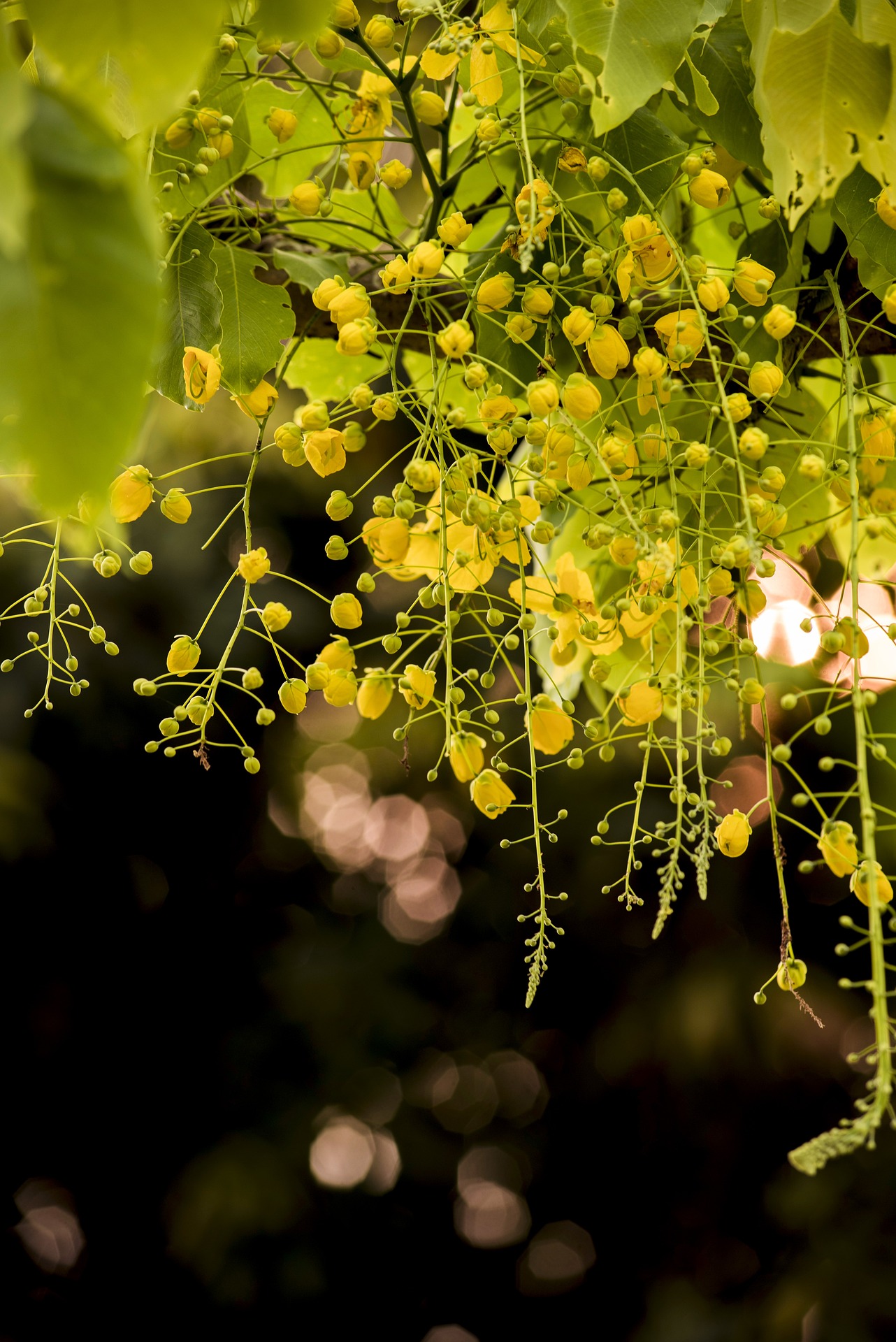
The Golden Shower
पेड़ का नाम:- अमलतास
हिंदी नाम: सोन चिड़ी या अमलतास के नाम से गोल्डन शॉवर ट्री को हिंदी में जाना जाता है।
वैज्ञानिक नाम: इसका वैज्ञानिक नाम कैसिया फिस्टूला है।
इतिहास और उत्पत्ति:
सोन चिड़ी या अमलतास पेड़, कैसिया फिस्टूला, भारतीय उपमहाद्वीप और दक्षिणपूर्व एशिया की मूल नस्ल है।
इसका भारत में बहुत पुराना सांस्कृतिक महत्व है और इसे विभिन्न त्योहारों और परंपराओं से जोड़ा जाता है।
माना जाता है कि इस पेड़ को व्यापार और ब्रिटिश साम्राज्य के माध्यम से दुनिया के अन्य हिस्सों में प्रस्तुत किया गया था।
सोन चिड़ी पेड़ के तथ्य:
सोन चिड़ी पेड़ को इसकी सजावटी मूल्य के कारण दुनियाभर के कई देशों में उगाया जाता है।
यह भारतीय उपमहाद्वीप और दक्षिणपूर्व एशिया की मूल नस्ल है, लेकिन आप इसे विश्वभर के उष्णकटिबंधी और उपउष्णकटिबंधी क्षेत्रों में पाएंगे, जैसे कि अफ्रीका, अमेरिका और कैरिबियन के कुछ हिस्सों में।
सोन चिड़ी पेड़ को उसके आकर्षक पीले फूलों के समूह के लिए जाना जाता है, जो बसंत और प्रारंभिक गर्मियों में खिलते हैं।
यह एक मध्यम आकार का पत्तिदार पेड़ है जिसकी ऊंचाई 10-20 मीटर तक हो सकती है।
इस पेड़ के धार का लकड़ी और विशेष, संयुक्त पत्तियाँ होती हैं।
सोन चिड़ी पेड़ की लकड़ी का उपयोग विभिन्न उद्देश्यों के लिए किया जाता है, जैसे कि संगीत उपकरण और फर्नीचर बनाने के लिए।
औषधीय लाभ:
सोन चिड़ी पेड़ के विभिन्न भागों का पारंपरिक चिकित्सा में उपयोग किया गया है:
फल का उपयोग कब्ज के लिए किया जाता है।
छाल और पत्तियों का उपयोग त्वचा समस्याओं और पाचन समस्याओं का इलाज करने के लिए किया गया है।
कृपया ध्यान दें:
आपको किसी भी विशिष्ट स्वास्थ्य स्थिति के लिए इसका उपयोग करने से पहले स्वास्थ्य देखभाल पेशेवर से परामर्श करना चाहिए।
हमने यह सुनिश्चित करने के लिए हर संभव प्रयास किया है कि लेख में प्रस्तुत जानकारी सटीक और विश्वसनीय हो। हमने अपनी शोध प्रक्रिया के दौरान गूगल और पुस्तकों जैसे प्रतिष्ठित स्रोतों से परिश्रमपूर्वक डेटा एकत्र किया। हालाँकि, हम समझते हैं कि हमारे सर्वोत्तम प्रयासों के बावजूद कभी-कभी त्रुटियाँ हो सकती हैं।
इसलिए लेख को पढ़ते समय आपके सामने आई किसी भी अशुद्धि या संभावित त्रुटियों के लिए लेख की समीक्षा करने में आपकी सहायता का अनुरोध करते हैं। आपकी प्रतिक्रिया हमें गुणवत्ता और सटीकता के उच्चतम मानकों को बनाए रखने में मदद करने में अमूल्य होगी।
आपके समय और समर्थन के लिए धन्यवाद
Name of tree:- The Golden Shower Tree is commonly known as "Amaltas" in Hindi.
Scientific Name: Its scientific name is Cassia fistula.
History and Origin:
The Golden Shower Tree, Cassia fistula, is native to the Indian subcontinent and Southeast Asia.
It has a long history of cultural significance in India and is often associated with various festivals and traditions.
The tree is believed to have been introduced to other parts of the world through trade and colonization.
Facts about Golden Shower Tree:
The Golden Shower Tree is cultivated in many countries around the world due to its ornamental value.
While it is native to the Indian subcontinent and Southeast Asia, you can find it in tropical and subtropical regions globally, including parts of Africa, the Americas, and the Caribbean.
The Golden Shower Tree is known for its stunning clusters of bright yellow, pendulous flowers, which bloom in the spring and early summer.
It is a medium-sized deciduous tree that can reach heights of up to 10-20 meters.
The tree is known for its hard, cylindrical fruits and distinctive, compound leaves.
The wood of the Golden Shower Tree is used for various purposes, including making musical instruments and furniture.
Medicinal Benefits:
Various parts of the Golden Shower Tree have been used in traditional medicine:
The pulp from the fruit is used as a laxative.
The bark and leaves have been used to treat various ailments, including skin conditions and digestive issues.
However, it's important to note that the use of plant-based remedies should be approached with caution and preferably under the guidance of a qualified healthcare practitioner.
The Golden Shower Tree is primarily appreciated for its aesthetic beauty and cultural significance.
Please attention:
You should consult a health care professional before using it for any specific health condition.
We have made every effort to ensure that the information presented in the article is accurate and reliable. We diligently collected data from reputable sources like Google and books during our research process. However, we understand that despite our best efforts, errors may occasionally occur.
Therefore, we request your assistance in reviewing the article for any inaccuracies or possible errors you encountered while reading the article. Your feedback will be invaluable in helping us maintain the highest standards of quality and accuracy.
Thank you for your time and support.