
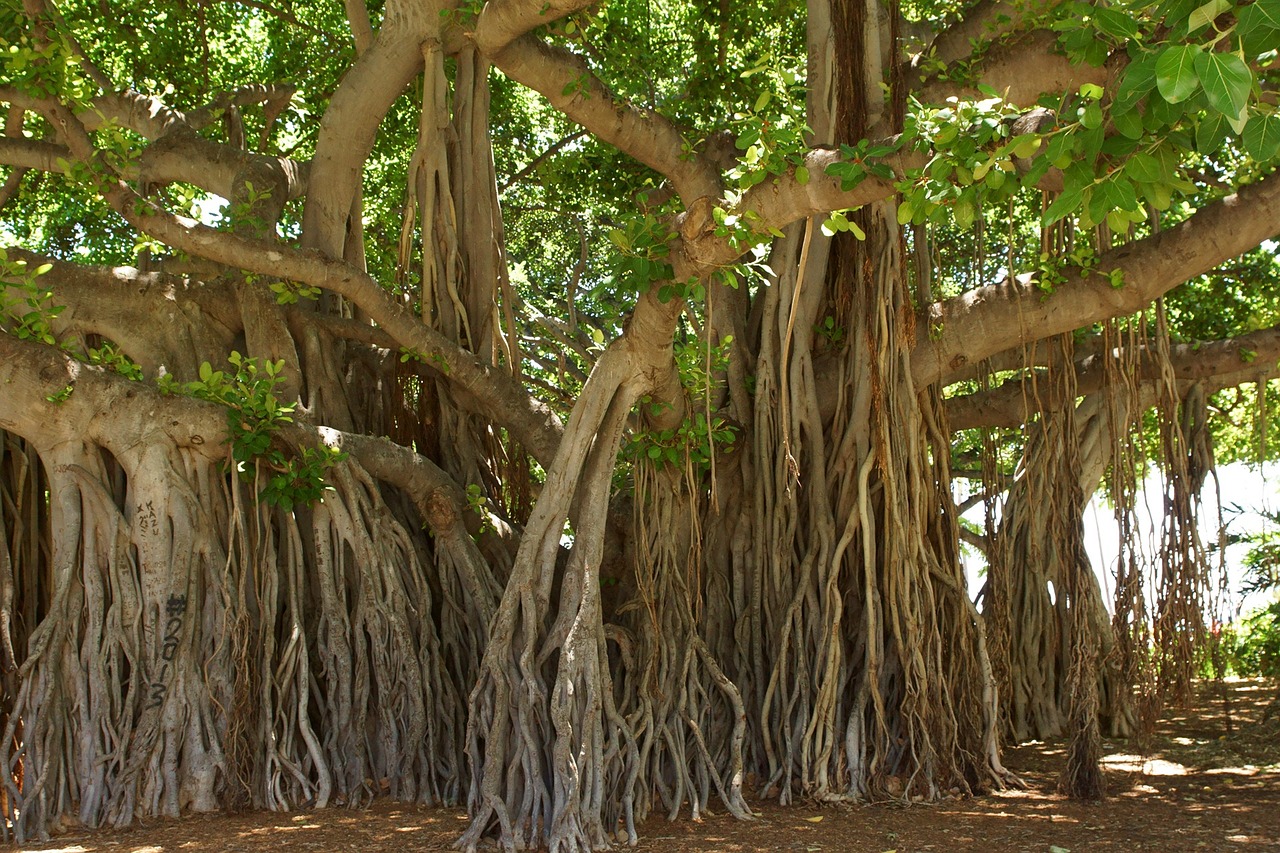
Banyan tree, Vat vrksh, Baragad
पेड़ का नाम: बरगद , वट वृक्ष, बनयान,
बरगद पेड़ का वैज्ञानिक नाम Ficus benghalensis है। यह मोरेसी परिवार से सम्बंधित है और सामान्य रूप से बरगद के पेड़ रूप में जाना जाता है।
बरगद पेड़ का इतिहास:
बरगद पेड़ का माना जाता है कि वह भारतीय उपमहाद्वीप में उत्पन्न हुआ है, खासकर भारत, बांग्लादेश, और श्रीलंका क्षेत्र के अंदर।
बरगद पेड़ का इतिहास दक्षिण एशियाई पौराणिक और इतिहास में गहरा निहित है। यह कई सदियों से विभिन्न संस्कृतियों में पूज्य रूप से माना जाता है। हिन्दू धर्म में, बरगद पेड़ को भगवान कृष्ण के साथ जोड़ा जाता है, जिन्हें अपने जीवनकाल में इसके नीचे विश्राम करते दिखाया जाता है। इसे महाभारत जैसे प्राचीन पाठों में भी उल्लिखित किया गया है।
बरगद पेड़ के बारे में तथ्य:
बरगद पेड़ को दुनिया के तापीय और उपतापीय क्षेत्रों में कई देशों में पाया जा सकता है। इसे सबसे अधिक दक्षिण एशिया के साथ जोड़ा जाता है, लेकिन इसकी विशिष्ट अनुकूलन की वजह से यह विभिन्न जलवायु और पारिस्थितिकी प्रणालियों में फलने की क्षमता रखता है।
विशाल आकार: बरगद पेड़ अपने विशाल आकार के लिए प्रसिद्ध हैं। उनके शाखाओं से निकलने वाली वायुमंडलीय जड़ सिस्टम होती है जो ज़मीन तक पहुँचती है और अतिरिक्त तने बनाती है, जिससे उनका लगभग कई पेड़ों के समुह की तरह दिखाई देता है।
दीर्घायु: बरगद पेड़ अत्यधिक दीर्घायु होते हैं। कुछ बरगद कई सदियों पुराने होते हैं, और कुछ हजार वर्षों तक भी जीवित रहने की ख़बरें आई हैं।
मूल प्राकृतिक आवास: बरगद पेड़ दक्षिण एशिया में प्राकृतिक रूप से पाए जाते हैं, लेकिन उन्हें दुनिया के विभिन्न उष्णकटिबंधीय और उष्णांश इलाकों में ढूँढ़ा जा सकता है।
प्रतीतिकता: बरगद पेड़ कई संस्कृतियों में पवित्र माने जाते हैं और दीर्घायु, ज्ञान और स्थिरता का प्रतीक माने जाते हैं।
पारिस्थितिक महत्व: ये पेड़ विभिन्न प्रकार के जीवों को शरण और आहार प्रदान करते हैं, और उनके व्यापक जड़ी-बूटियां मिट्टी को स्थिर करने, उपभूमि के अपघात को रोकने, और पारिस्थितिकी तंतु में सामान्य सहयोग प्रदान करने में मदद करती हैं।
बरगद पेड़ के फायदे:
छाया: बरगद पेड़ विशाल छाया प्रदान करते हैं, जिससे वे बाहरी सभीकरणों और पिकनिक के लिए लोकप्रिय विकल्प होते हैं।
चिकित्सा उपयोग: बरगद पेड़ के विभिन्न भाग, जैसे कि पत्तियाँ और छाल, का उपयोग आयुर्वेदिक औषधियों में उनकी चिकित्सकीय गुणों के लिए किया जाता है।
सांस्कृतिक और धार्मिक महत्व: बरगद पेड़ कई समाजों में महत्वपूर्ण हैं, जागरूकता के स्थानों और आध्यात्मिकता के केंद्र के रूप में सेवा करते हैं।
कृपया ध्यान दें:
आपको किसी भी विशिष्ट स्वास्थ्य स्थिति के लिए इसका उपयोग करने से पहले स्वास्थ्य देखभाल पेशेवर से परामर्श करना चाहिए।
हमने यह सुनिश्चित करने के लिए हर संभव प्रयास किया है कि लेख में प्रस्तुत जानकारी सटीक और विश्वसनीय हो। हमने अपनी शोध प्रक्रिया के दौरान गूगल और पुस्तकों जैसे प्रतिष्ठित स्रोतों से परिश्रमपूर्वक डेटा एकत्र किया। हालाँकि, हम समझते हैं कि हमारे सर्वोत्तम प्रयासों के बावजूद कभी-कभी त्रुटियाँ हो सकती हैं।
इसलिए लेख को पढ़ते समय आपके सामने आई किसी भी अशुद्धि या संभावित त्रुटियों के लिए लेख की समीक्षा करने में आपकी सहायता का अनुरोध करते हैं। आपकी प्रतिक्रिया हमें गुणवत्ता और सटीकता के उच्चतम मानकों को बनाए रखने में मदद करने में अमूल्य होगी।
आपके समय और समर्थन के लिए धन्यवाद
Name of Tree: Banyan tree, Vat vrksh, Baragad
The banyan tree is scientifically known as Ficus benghalensis. It belongs to the Moraceae family and is commonly referred to as the banyan tree or simply banyan.
History of Banyan Tree:
The banyan tree is believed to have originated in the Indian subcontinent, particularly in the region that now encompasses India, Bangladesh, and Sri Lanka. From there, it has spread to various parts of the world through natural dispersal and human cultivation.
The history of the banyan tree is deeply rooted in South Asian mythology and history. It has been revered in various cultures for centuries. In Hinduism, the banyan tree is associated with Lord Krishna, who is believed to have rested under one during his lifetime. It has also been mentioned in ancient texts like the Mahabharata.
Facts about Banyan Tree:
Gigantic Size: Banyan trees are known for their massive size. They have a distinctive aerial root system that grows from their branches and reaches the ground, forming additional trunks. This makes them appear like a collection of multiple trees.
Longevity: Banyan trees are incredibly long-lived. Some banyans are known to be several centuries old, with a few even surpassing a thousand years in age.
Native Habitat: Banyan trees are native to South Asia but can be found in various tropical and subtropical regions around the world.
Symbolism: In many cultures, banyan trees are considered sacred and symbolize longevity, wisdom, and stability.
Ecological Importance: These trees provide shelter and food to a wide range of wildlife, and their extensive root systems help prevent soil erosion.
Benefits of Banyan Tree:
Shade: Banyan trees offer extensive shade, making them popular choices for outdoor gatherings and picnics.
Medicinal Uses: Various parts of the banyan tree, such as leaves and bark, have been used in traditional medicine for their healing properties.
Cultural and Religious Significance: Banyan trees hold great cultural and religious importance in many societies, serving as gathering places and centers of spirituality.
Banyan trees can be found in many countries across the tropical and subtropical regions of the world. They are most commonly associated with South Asia but are also present in parts of Southeast Asia, the Middle East, Africa, the Caribbean, and Central America. Their adaptability has allowed them to thrive in diverse climates and ecosystems.
It's worth noting that the banyan tree is sometimes confused with other fig tree species that share similar characteristics. These trees collectively belong to the Ficus genus and are known for their unique growth patterns and ecological significance.
Please attention:
You should consult a health care professional before using it for any specific health condition.
We have made every effort to ensure that the information presented in the article is accurate and reliable. We diligently collected data from reputable sources like Google and books during our research process. However, we understand that despite our best efforts, errors may occasionally occur.
Therefore, we request your assistance in reviewing the article for any inaccuracies or possible errors you encountered while reading the article. Your feedback will be invaluable in helping us maintain the highest standards of quality and accuracy.
Thank you for your time and support.