
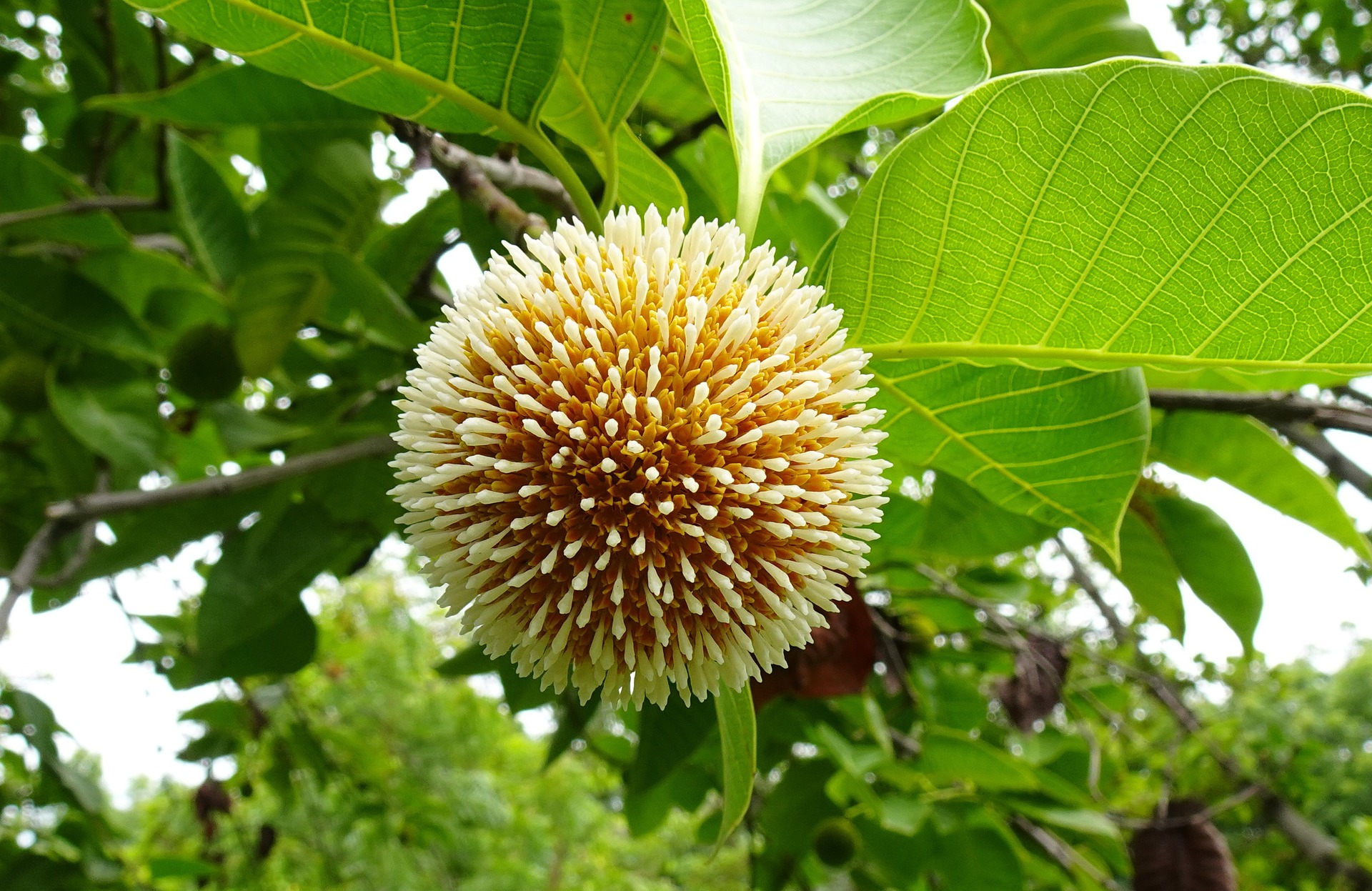
Kadamb , Scientific Name: Neolamarckia cadamba
पेड़ का नाम:- कदंब , नियोलामार्किया कैडम्बा
कदंब का इतिहास
कदंब पेड़ दक्षिण और दक्षिण पूर्व एशिया के विभिन्न हिस्सों में पाया जाता है। इसका इस क्षेत्र में सांस्कृतिक और धार्मिक महत्व है। हिन्दू पौराणिक कथाओं में, भगवान कृष्ण को अक्सर कदंब के पेड़ के नीचे अपनी बांसुरी बजाते हुए दिखाया जाता है। पेड़ को बौद्ध धर्म के साथ जोड़ा जाता है।
कदंब पेड़ के पाए जाने वाले देश:
कदंब का मूल होम साउथ और साउथईस्ट एशिया के कई देशों में है, जैसे कि भारत, बांग्लादेश, श्रीलंका, म्यांमार, थाईलैंड, कम्बोडिया, लाओस, वियतनाम, मलेशिया, और इंडोनेशिया। इसे अन्य उष्णकटिबंधी क्षेत्रों में भी प्रस्तुत किया गया है।
कदंब के बारे में तथ्य:
कदंब पेड़ अपने बड़े, फूलों के लिए प्रसिद्ध है, जो अक्सर धार्मिक आयोजनों और त्योहारों में उपयोग होते हैं, और इनके महकने वाले होते हैं।
यह एक तेजी से बढ़ने वाला पेड़ है जिसकी ऊंचाई लगभग 45 मीटर (150 फीट) तक हो सकती है।
कदंब पेड़ की लकड़ी भी महत्वपूर्ण है, जो निर्माण और फर्नीचर बनाने के लिए उपयोग होती है।
पेड़ का फल छोटा और गोल होता है, और इसे आमतौर पर पक्षियों और अन्य जीवो द्वारा खाया जाता है।
यह पेड़ विभिन्न मिट्टी की स्थितियों को सह सकता है और यह उष्णकटिबंधी जलवायु के लिए उपयुक्त है।
कदंब के औषधीय लाभ:
पारंपरिक चिकित्सा प्रणालियों में, कदंब पेड़ के विभिन्न हिस्सों का उपयोग उनकी औषधीय गुणों के लिए किया जाता है। कुछ संभावित औषधीय लाभ निम्नलिखित हैं:
प्रशांति गुण: पेड़ की छाल पेड़ का एक हिस्सा है और इसका प्रयोग सूजन और दर्द के इलाज में किया जाता है।
एंटीऑक्सीडेंट प्रभाव: पेड़ के पत्ते और फल में एंटीऑक्सीडेंट गुणधर्म वाले यौगिक होते हैं जो कोशिकाओं को ऑक्सीडेटिव हानि से बचाने में मदद कर सकते हैं।
एंटीबैक्टीरियल और एंटीफंगल गुणधर्म: पेड़ के विभिन्न हिस्सों से निकाले गए अलग-अलग औषधीय गुणों के लिए अध्ययन किए गए हैं, जो संभावित एंटीबैक्टीरियल और एंटीफंगल गतिविधियों में मदद कर सकते हैं।
पारंपरिक उपयोग: विभिन्न पारंपरिक चिकित्सा प्रणालियों में पेड़ के विभिन्न हिस्सों का उपयोग बुखार, पाचन संबंधित विकार, त्वचा समस्याओं और श्वसन संबंधित समस्याओं के इलाज में किया जाता है।
कृपया ध्यान दें:
आपको किसी भी विशिष्ट स्वास्थ्य स्थिति के लिए इसका उपयोग करने से पहले स्वास्थ्य देखभाल पेशेवर से परामर्श करना चाहिए।
हमने यह सुनिश्चित करने के लिए हर संभव प्रयास किया है कि लेख में प्रस्तुत जानकारी सटीक और विश्वसनीय हो। हमने अपनी शोध प्रक्रिया के दौरान गूगल और पुस्तकों जैसे प्रतिष्ठित स्रोतों से परिश्रमपूर्वक डेटा एकत्र किया। हालाँकि, हम समझते हैं कि हमारे सर्वोत्तम प्रयासों के बावजूद कभी-कभी त्रुटियाँ हो सकती हैं।
इसलिए लेख को पढ़ते समय आपके सामने आई किसी भी अशुद्धि या संभावित त्रुटियों के लिए लेख की समीक्षा करने में आपकी सहायता का अनुरोध करते हैं। आपकी प्रतिक्रिया हमें गुणवत्ता और सटीकता के उच्चतम मानकों को बनाए रखने में मदद करने में अमूल्य होगी।
आपके समय और समर्थन के लिए धन्यवाद
Name of Tree: - Kadamb , Scientific Name: Neolamarckia cadamba
History Neolamarckia cadamba:
The Neolamarckia cadamba tree is native to South and Southeast Asia. It has a long history of cultural and religious significance in these regions. In Hindu mythology, Lord Krishna is often depicted playing his flute under the shade of the Kadamba tree. The tree is also associated with the Buddhist tradition.
Countries Where Neolamarckia cadamba is Found:
Neolamarckia cadamba is native to several countries in South and Southeast Asia, including India, Bangladesh, Sri Lanka, Myanmar, Thailand, Cambodia, Laos, Vietnam, Malaysia, and Indonesia. It has also been introduced to other tropical regions.
Facts about Neolamarckia cadamba:
The Neolamarckia cadamba tree is known for its large, fragrant, and colorful flowers that are often used in religious ceremonies and festivals.
It is a fast-growing tree that can reach heights of up to 45 meters (150 feet).
The Kadamba tree is also valued for its timber, which is used in construction and for making furniture.
The fruit of the tree is small and spherical, and it is often eaten by birds and other wildlife.
The tree is tolerant of a wide range of soil conditions and is well-suited to tropical climates.
Medicinal Benefits of Neolamarckia cadamba
In traditional medicine systems, various parts of the Neolamarckia cadamba tree are used for their medicinal properties. Some potential medicinal benefits include:
Anti-inflammatory Properties: The bark of the tree is used in traditional medicine to treat inflammation and pain.
Antioxidant Effects: The leaves and fruit contain compounds with antioxidant properties that may help protect cells from oxidative damage.
Antibacterial and Antifungal Properties: Extracts from different parts of the tree have been studied for their potential antibacterial and antifungal activities.
Traditional Uses: In various traditional healing systems, different parts of the tree are used to treat ailments such as fever, digestive disorders, skin conditions, and respiratory problems.
Please attention:
You should consult a health care professional before using it for any specific health condition.
We have made every effort to ensure that the information presented in the article is accurate and reliable. We diligently collected data from reputable sources like Google and books during our research process. However, we understand that despite our best efforts, errors may occasionally occur.
Therefore, we request your assistance in reviewing the article for any inaccuracies or possible errors you encountered while reading the article. Your feedback will be invaluable in helping us maintain the highest standards of quality and accuracy.
Thank you for your time and support.