
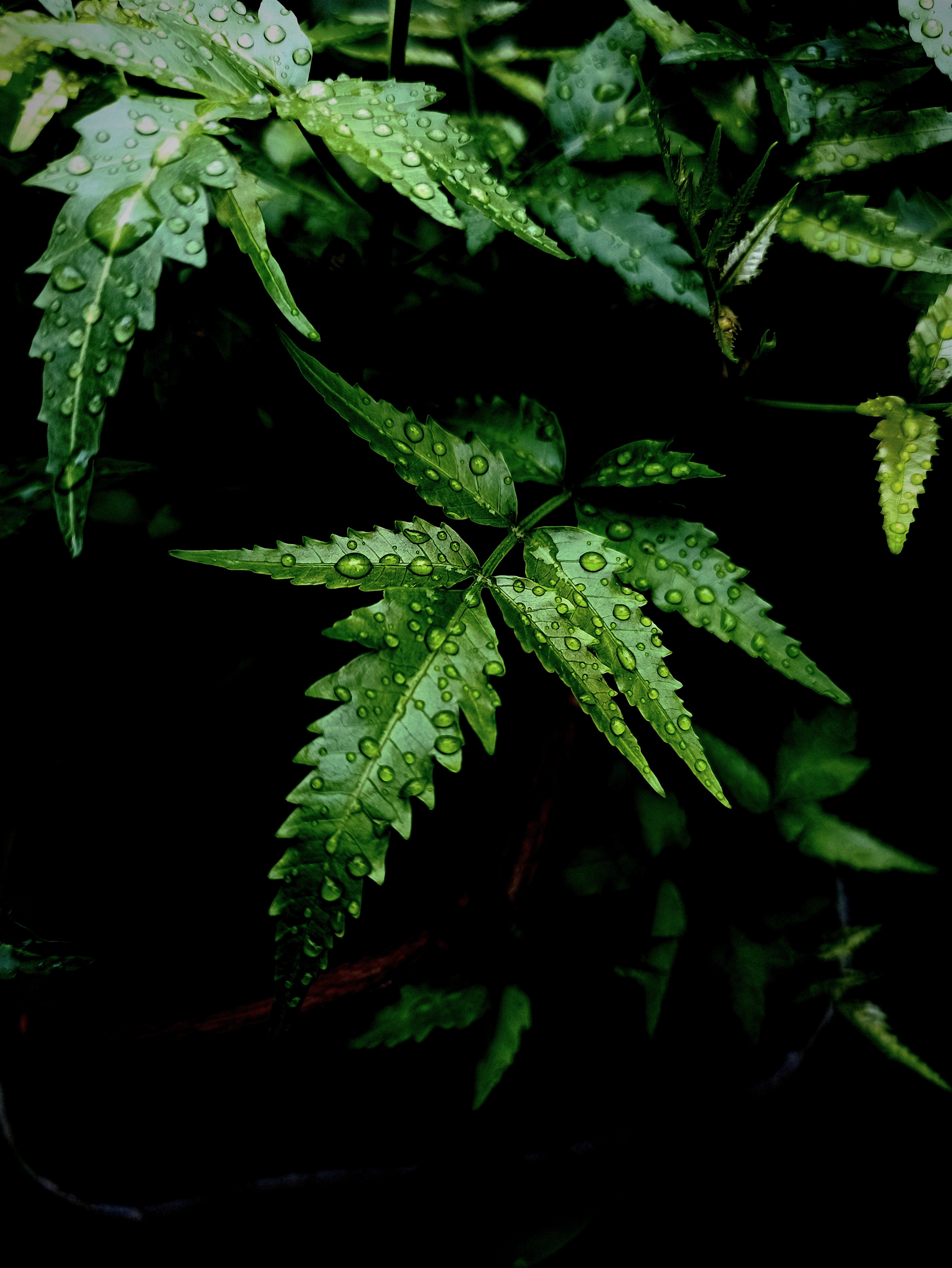
Neem
सामान्य नाम: नीम
वैज्ञानिक नाम: आजादिरच्छ इंडिका (Azadirachta indica)
अन्य नाम: इंडियन लीलाक, मार्गोसा पेड़
नीम पेड़ का इतिहास:
नीम पेड़ का भारत में विचारशील और विविध इतिहास है, जो भारतीय मूल है। इसे हजारों सालों से भारतीय आयुर्वेद की विभिन्न पारंपरिक चिकित्सा प्रणालियों में उपयोग किया गया है।
नीम की सबसे पुरानी उल्लेख भारत के प्राचीन पाठों में किए जा सकते हैं, जैसे कि वेदों में, जो 2,000 साल से अधिक पुराने हैं।
नीम को उसकी औषधीय गुणों के लिए मूल्यांकित किया गया है और इसका उपयोग त्वचा समस्याओं से लेकर पाचन संबंधी समस्याओं जैसी कई स्वास्थ्य समस्याओं के इलाज में किया गया है।
नीम के फायदे:
औषधीय उपयोग: नीम के पास विभिन्न प्रकार के औषधीय गुण हैं, जैसे कि बैक्टीरिया और वायरस के खिलाफ कार्य करने वाले, फंगस के खिलाफ कार्य करने वाले, और एंटी-इंफ्लैमेटरी। इसका उपयोग मुँहासों, एक्जिमा, मधुमेह और अन्य स्वास्थ्य समस्याओं का इलाज करने के लिए किया गया है।
दंत स्वास्थ्य: भारत के कई हिस्सों में नीम की टहनियाँ हजारों सालों से प्राकृतिक टूथब्रश के रूप में उपयोग होती हैं। नीम के एंटीमाइक्रोबियल गुण ऑरल स्वास्थ्य को बनाए रखने में मदद करते हैं।
कीट प्रबंधन: नीम के निर्यात कोषिकाओं का उपयोग कृषि में प्राकृतिक कीटनाशक के रूप में किया जाता है, क्योंकि इससे कई प्रकार की कीटों को दूर किया जा सकता है बिना फायदेमंद कीटों को नुकसान पहुँचाए।
त्वचा देखभाल: नीम का उपयोग सौंदर्य और त्वचा देखभाल उत्पादों में त्वचा को शांति और पोषण प्रदान करने के लिए किया जाता है।
बाल स्वास्थ्य: नीम तेल का उपयोग बालों की वृद्धि को बढ़ावा देने, डैंड्रफ को कम करने और सिर और बालों के स्वास्थ्य को सुधारने के लिए किया जाता है।
पर्यावरणीय लाभ: नीम के पेड़ कड़ाक और सूखाप्रतिरोधी होते हैं, इसलिए इन्हें वनस्पति रक्षा के प्रयासों और मृदा गलन के खिलाफ लड़ाई में मूल्यवान माना जाता है।
नीम के बारे में रोचक तथ्य
नीम के पेड़ कई देशों में पाए जाते हैं, मुख्य रूप से उष्णकटिबंधी और उष्णकटिबंधी क्षेत्रों में।
हालांकि भारत नीम का मूल वास्तविक स्थान है और नीम के सबसे अधिक पेड़ हैं, आप नीम के पेड़ को श्रीलंका, पाकिस्तान, बांग्लादेश, नेपाल, म्यांमार, थाईलैंड, इंडोनेशिया, मलेशिया, और अफ्रीका के कई हिस्सों, जैसे कि नाइजीरिया और घाना, में भी पाए जा सकते हैं।
इसकी अद्यतितता और मूल्यवान गुणों के कारण, नीम को दुनिया के कई अन्य देशों में लाया और उसका पौधा बढ़ाया गया है, इसलिए इसकी मौजूदगी इसके मूल स्थान के पार है।
नीम एक अद्भुत पेड़ है जिसका एक ऐतिहासिक और विविध इतिहास है और इसके कई उपयोग हैं, जिन्होंने इसे बहुत से दुनिया के हिस्सों में पारंपरिक चिकित्सा, कृषि और पारिस्थितिकी संचालन का महत्वपूर्ण हिस्सा बना दिया है।
कृपया ध्यान दें:
आपको किसी भी विशिष्ट स्वास्थ्य स्थिति के लिए इसका उपयोग करने से पहले स्वास्थ्य देखभाल पेशेवर से परामर्श करना चाहिए।
हमने यह सुनिश्चित करने के लिए हर संभव प्रयास किया है कि लेख में प्रस्तुत जानकारी सटीक और विश्वसनीय हो। हमने अपनी शोध प्रक्रिया के दौरान गूगल और पुस्तकों जैसे प्रतिष्ठित स्रोतों से परिश्रमपूर्वक डेटा एकत्र किया। हालाँकि, हम समझते हैं कि हमारे सर्वोत्तम प्रयासों के बावजूद कभी-कभी त्रुटियाँ हो सकती हैं।
इसलिए लेख को पढ़ते समय आपके सामने आई किसी भी अशुद्धि या संभावित त्रुटियों के लिए लेख की समीक्षा करने में आपकी सहायता का अनुरोध करते हैं। आपकी प्रतिक्रिया हमें गुणवत्ता और सटीकता के उच्चतम मानकों को बनाए रखने में मदद करने में अमूल्य होगी।
आपके समय और समर्थन के लिए धन्यवाद
Common Name: Neem
Scientific Name: Azadirachta indica
Other Names: Indian Lilac, Margosa Tree
Neem tree, scientifically known as Azadirachta indica, is a fascinating and versatile tree with a rich history and numerous benefits.
History of Neem Tree:
The neem tree has a long and storied history in India, where it is native. It has been used for thousands of years in various traditional systems of medicine, including Ayurveda.
The earliest mentions of neem can be traced back to ancient Indian texts such as the Vedas, which date back over 2,000 years.
Origin & facts about Neem:
Neem trees are found in several countries around the world, primarily in tropical and subtropical regions.
While India is the native habitat of neem and has the largest number of neem trees, you can also find neem trees in countries like Sri Lanka, Pakistan, Bangladesh, Nepal, Myanmar, Thailand, Indonesia, Malaysia, and parts of Africa, including Nigeria and Ghana, among others.
Due to its adaptability and valuable properties, neem has been introduced and cultivated in many other countries, so its presence extends beyond its native range.
Neem is a remarkable tree with a rich history and a wide range of uses that have made it an important part of traditional medicine, agriculture, and sustainable resource management in many parts of the world.
Benefits of Neem:
Medicinal Uses: Neem has a wide array of medicinal properties, including being antibacterial, antiviral, antifungal, and anti-inflammatory. It has been used to treat conditions like acne, eczema, diabetes, and more.
Dental Health: Neem twigs have been used as natural toothbrushes in many parts of India for centuries. Neem's antimicrobial properties help maintain oral health.
Pest Control: Neem extracts are used in agriculture as natural pesticides, as they can deter and kill a variety of pests without harming beneficial insects.
Skin Care: Neem is used in cosmetics and skincare products for its ability to soothe and nourish the skin.
Hair Care: Neem oil is used to promote hair growth, reduce dandruff, and improve the overall health of the scalp and hair.
Environmental Benefits: Neem trees are hardy and drought-resistant, making them valuable for reforestation efforts and combating soil erosion.
Please attention:
You should consult a health care professional before using it for any specific health condition.
We have made every effort to ensure that the information presented in the article is accurate and reliable. We diligently collected data from reputable sources like Google and books during our research process. However, we understand that despite our best efforts, errors may occasionally occur.
Therefore, we request your assistance in reviewing the article for any inaccuracies or possible errors you encountered while reading the article. Your feedback will be invaluable in helping us maintain the highest standards of quality and accuracy.
Thank you for your time and support.