
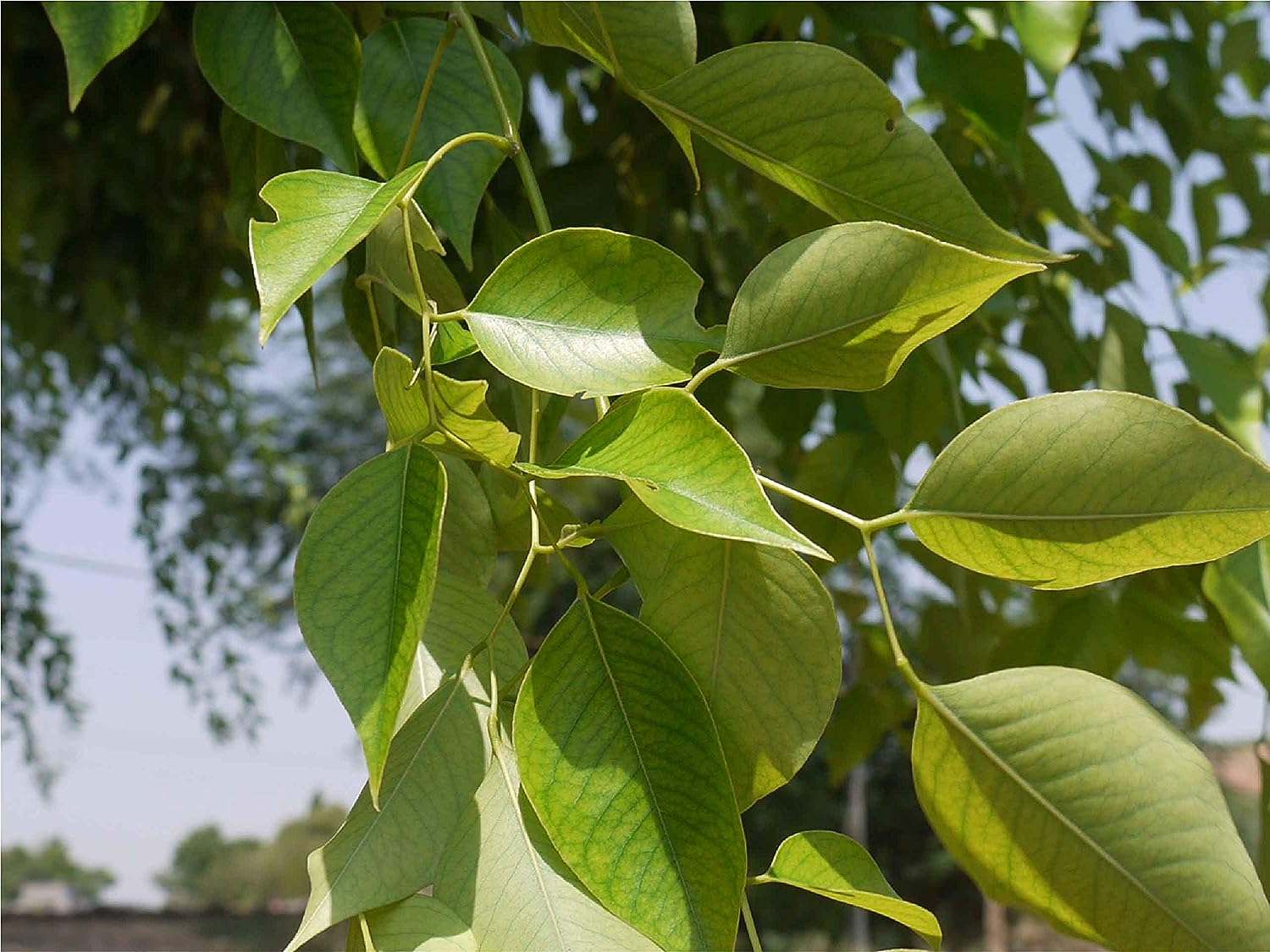
Shisham, Dalbergia sissoo
पेड़ का नाम: शीशम, डालबर्गिया सिस्सो
शीशम पेड़ का इतिहास
शीशम पेड़ भारतीय उपमहाद्वीप में पाया जाता है, जिसमें भारत, पाकिस्तान, नेपाल, और बांग्लादेश शामिल हैं। इसका विभिन्न संस्कृतियों में अपने मूल्यवान लकड़ी और औषधीय गुणों के लिए उपयोग का दीर्घ इतिहास है। शीशम को भारत और पास के क्षेत्रों में शताब्दियों से किया जाता रहा है और इसका उपयोग किया जाता है।
शीशम पेड़ प्रमुख रूप से निम्नलिखित देशों में पाए जाते हैं: भारत, पाकिस्तान, नेपाल, बांग्लादेश
शीशम पेड़ के बारे में तथ्य:
शीशम, जिसे भारतीय गुलाबचीनी भी कहा जाता है, एक पाटीदार वृक्ष है जो 25 मीटर की ऊंचाई तक बढ़ सकता है।
शीशम पेड़ की लकड़ी अपने टिकाऊपन और आकर्षक ग्रेन पैटर्न के लिए प्रसिद्ध है, जिससे यह फर्नीचर और वुडवर्किंग के लिए एक लोकप्रिय चयन है।
पेड़ में सुगंधित फूल और ओब्लॉंग पॉड्स जिनमें बीज होते हैं, पैदा होते हैं।
शीशम पेड़ के औषधीय लाभ:
शीशम पेड़ के विभिन्न हिस्से, जैसे कि इसके पत्तियां, छाल, और बीज, का पारंपरिक चिकित्सा में विभिन्न उद्देश्यों के लिए उपयोग किया जाता है। कुछ औषधीय लाभ निम्नलिखित हैं:
एंटी-इन्फ्लेमेटरी: शीशम की पत्तियां सूजन को कम करने के लिए पारंपरिक चिकित्सा में उपयोग की जाती हैं।
एंटीबैक्टीरियल: शीशम की छाल और पत्तियों से निकले तत्वों में एंटीबैक्टीरियल गुण होते हैं।
एंटीऑक्सीडेंट: शीशम में कुछ तत्वों में एंटीऑक्सीडेंट गुण होते हैं।
बुखार कमी: पारंपरिक चिकित्सा में, शीशम को बुखार कम करने और सामान्य टॉनिक के रूप में उपयोग किया जाता है।
दंत स्वास्थ्य: शीशम पेड़ की छाल मुँह की स्वास्थ्य और दंत समस्याओं का इलाज करने के लिए उपयोग की जाती है।
कृपया ध्यान दें:
आपको किसी भी विशिष्ट स्वास्थ्य स्थिति के लिए इसका उपयोग करने से पहले स्वास्थ्य देखभाल पेशेवर से परामर्श करना चाहिए।
हमने यह सुनिश्चित करने के लिए हर संभव प्रयास किया है कि लेख में प्रस्तुत जानकारी सटीक और विश्वसनीय हो। हमने अपनी शोध प्रक्रिया के दौरान गूगल और पुस्तकों जैसे प्रतिष्ठित स्रोतों से परिश्रमपूर्वक डेटा एकत्र किया। हालाँकि, हम समझते हैं कि हमारे सर्वोत्तम प्रयासों के बावजूद कभी-कभी त्रुटियाँ हो सकती हैं।
इसलिए लेख को पढ़ते समय आपके सामने आई किसी भी अशुद्धि या संभावित त्रुटियों के लिए लेख की समीक्षा करने में आपकी सहायता का अनुरोध करते हैं। आपकी प्रतिक्रिया हमें गुणवत्ता और सटीकता के उच्चतम मानकों को बनाए रखने में मदद करने में अमूल्य होगी।
आपके समय और समर्थन के लिए धन्यवाद
Name of Tree: - Shisham, Dalbergia sissoo,.
History & Origin
The Shisham tree is native to the Indian subcontinent, including India, Pakistan, Nepal, and Bangladesh. It has a long history of use in various cultures for its valuable wood and medicinal properties. Shisham has been cultivated and used for centuries in India and neighboring regions.
Shisham trees are primarily found in the following countries: India, Pakistan, Nepal, Bangladesh
These countries have the ideal climate and soil conditions for Shisham tree growth.
Facts About Shisham Tree:
Shisham, also known as Indian Rosewood, is a deciduous tree that can grow up to 25 meters in height.
The heartwood of the Shisham tree is highly prized for its durability and attractive grain patterns, making it a popular choice for furniture and woodworking.
The leaves of the Shisham tree are compound and pinnate, with small leaflets.
The tree produces fragrant flowers and flat, oblong pods with seeds.
Medicinal Benefits of Shisham Tree:
Various parts of the Shisham tree, including its leaves, bark, and seeds, are used in traditional medicine for various purposes. Some of the medicinal benefits include:
Anti-inflammatory: Shisham leaves are used to reduce inflammation in traditional medicine.
Antibacterial: Extracts from Shisham bark and leaves have shown antibacterial properties.
Antioxidant: Some compounds in Shisham have antioxidant properties.
Fever Reduction: In traditional medicine, Shisham is used to reduce fever and as a general tonic.
Dental Health: The bark of the Shisham tree is used for oral health and to treat dental issues.
Please attention:
You should consult a health care professional before using it for any specific health condition.
We have made every effort to ensure that the information presented in the article is accurate and reliable. We diligently collected data from reputable sources like Google and books during our research process. However, we understand that despite our best efforts, errors may occasionally occur.
Therefore, we request your assistance in reviewing the article for any inaccuracies or possible errors you encountered while reading the article. Your feedback will be invaluable in helping us maintain the highest standards of quality and accuracy.
Thank you for your time and support.